
Baby proofing checklist



Download pdf of baby proofing checklist
Preparing your house for the arrival of your baby can seem like a daunting task. You only need to crawl around on your hands and knees for a few minutes to see all the potential dangers that exist. We can’t possibly protect our kids from every bump and bruise, despite our best efforts, but thoroughly baby proofing your house can greatly reduce the risk of serious injury. While your eagle-eyes are by far the best baby proofing you can do, don’t underestimate how tired you are likely to feel the first year and how quickly things can happen.
What should you do before baby arrives and what can wait until they show signs they are ready to crawl?
Here is a list of ideas to get you started.
Things to consider before your baby arrives
General
-
Have a working carbon monoxide detector
-
Ensure all fire detectors are operating
-
Stock your first aid kit
-
Have emergency numbers easily accessible
-
Remove all poisonous plants or keep them out of reach
-
Make sure small choking hazards are out of reach (you’d be surprised what babies can grab and put in their mouths – as a general rule, anything that can fit inside a toilet paper roll is a choking hazard!)
Baby room
-
Ensure your crib meets federal safety standards
-
Have a firm mattress that fits the frame
-
Do not place crib in front of window, heat register, decorations, or anything that baby can grab
-
Avoid bumper pads on crib
-
Do not leave toys, puffy blankets or pillows in the child’s crib (consider putting baby to sleep in a secure swaddle or sleep sack – from experience, we recommend trying Halo and Aden and Anais brands)
-
If using a change table, ensure it has raised edges and a safety strap (note – the safest place to change a baby is on the floor)
-
Consider a baby monitor, preferably with video, so you can check on them regularly but make sure the cord is secure and out of baby’s reach (see our posts on baby monitors here)
Bathroom
-
Have an anti-slip bath mat (do not use a bath seat to prop baby up)
-
Adjust thermostat to monitor hot water temperature, below 120 degrees Fahrenheit (48.89 degrees Celsius), to avoid scalding
Preparing for movement (on average between 6-10 months)
Baby room
-
Ensure all large furniture pieces that can topple are bolted to the wall with furniture straps
-
Avoid placing furniture that a child can climb in front of a window or ledge
-
Do not trust that a screen will protect your child from a fall! If you do want to open the window, consider window stops or guards that restrict how far it can open (these apparatuses should be strong enough to prevent your toddler from removing but easy for you to remove in the event of a fire)
-
Keep baby toiletries out of reach, including baby wipes
-
Cover all electrical outlets that are not kid safe and remove all wires or appliances that plug in
Bathroom
-
Remove water as soon as bath is done
-
Ensure all vitamins, medications and other poisonous items are secure in medicine cabinet
-
Keep all makeup, razors, pins, perfume, mouthwash, nail polish and remover, scissors or other harmful objects out of reach
-
Keep the toilet seat down or latched (or keep the bathroom door shut)
-
Invest in a bathtub spout
-
Clean bath toys regularly with vinegar and warm water to avoid mildew and mold, especially inside squeeze toys
Kitchen
-
When you can, cook on the back burners with pot handles facing the back of stove
-
Secure oven door with a clamp
-
Put a latch on drawers containing knives or other sharp objects
-
Household cleaning items (including dishwasher tabs) should be placed out of reach
-
Unplug kitchen appliances that sit on the counter and don’t keep cords dangling
-
Be aware of food in the fridge or pantry that your child may have access to and place out of reach
-
Keep hot food and drink away from table/counter edges and refrain from holding while baby is in your arms
-
Avoid table cloths or runners that can be pulled down
-
Have a safe and sturdy highchair with a working safety belt, and if you transition to a booster seat when your baby is older, make sure it also has a working seat belt
Various other rooms
-
Remove small choking hazards (as a general rule, anything that can fit inside a toilet paper roll is a choking hazard)
-
Secure all large furniture pieces, like bookshelves and televisions, to the wall
-
Install safety gates to keep child away from hazardous areas
-
Cover all sharp corners with edge guards
-
Tie, bind or remove all dangling cords on window covers
-
Tie up all electrical wires or keep out of reach
-
Remove lamps that can topple and secure all cords
-
Cover all electrical outlets that are not kid safe
-
Avoid placing breakable items within reach, including picture frames
-
Use door stops to protect fingers
-
Use door knob covers to keep selected rooms off limits
-
Blow out the pilot light to your electrical fireplace or install a fireplace grill
-
Use child-resistant covers if you have accessible garbage cans
-
Safely store all plastic bags and balloons
-
Safely store batteries, matches and lighters
-
All guns and ammunition should be removed from the house or locked in a safe place
Don’t forget to check your backyard, garage and vehicle for safety hazards as well, including making sure your child safety door and window locks are on when driving!
Click this link to find tips about toddler proofing your home.
About the author
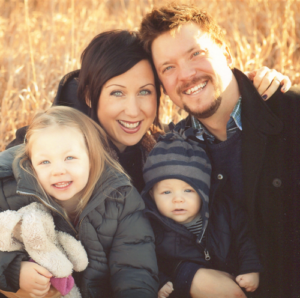
Terri Dragatis is a wife, Mother of two, and a teacher. Her diverse interests and ability to turn everything into a lighthearted lesson, not to mention her witty quips and great sense of humor, make her an invaluable part of our team.
As a new parent, Terri remembers feeling overwhelmed and frustrated with the abundance of information and wished she had effective, simple and condensed reference guides that would support us, particularly with sleep training. She believes Calm Parent Sleep Routine and other resources will provide many parents with quick to access, useful information to support you throughout your parenting journey.
For Terri, balance involves spending quality time with her family in and outdoors, cooking, camping and goofing around, getting out with friends or for a date with her husband now and again, and fitting in as much as exercise as she can.



As featured in:
Sleep is so important but the optimal amount is different for each family member.
It depends on age and other factors.
Find out the healthy sleep ranges by age, for you and your growing family.
Starting with babies (newborn to one year),
toddlers, preschoolers, school aged
children, teens and adults.
Guide to optimal family sleep (daytime naps & at night)
FREE download


Be the first to know about special
offers and resources
for our community only.
Don't miss out!
Become a Calm Parent Insider
FREE gifts & resources
CALMMOTHER LIMITED © 2023 | ALL RIGHTS RESERVED
terms | privacy | contact
Simplifying life for parents so you can focus on what matters most to you.
Live your best life with kids!
calm parent™





+ Show / Hide Comments
Share to: