
5 important tips for maintaining health while traveling




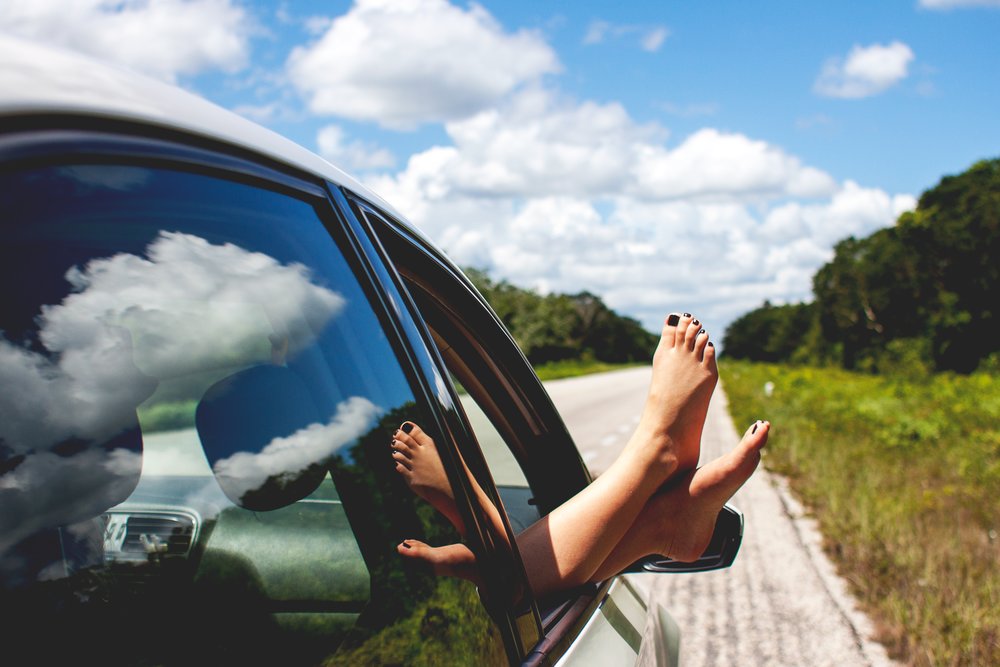
Traveling, whether during the summer or winter months, can take its toll on our immune system. Even an expected fun-filled family vacation can be a bit stressful which can leave our immune systems vulnerable to pathogens in the environment. In practice, I have found this time of year a busy season for colds and flu’s; families are just as run down now as they are in the wintertime with activity changes, eating patterns shifting, and later bedtimes.
Below are five tips to ensure you and your family stay healthy.
1. Monitor your water consumption
We know that getting enough water is important but this is especially so in the hot summer months. For most, the idea of having to stop to pee every hour is not ideal while traveling but sitting in a hot vehicle or on a dry airplane can lead to dehydration fairly quickly. Maintaining hydration is important for staying mentally alert, prevent debilitating headaches, and can help prevent constipation, another common uncomfortable complaint while traveling.
A simple calculation can help determine how much water your body needs, is to take your weight in pounds, divide it in half and that is how many ounces you should aim for – 120lbs/2 = 60 oz or two litres. For kids, make sure their urine is clear and that they are having small sips often. Alcohol and carbonated drinks are generally more available this time of year and can also cause dehydration. Matching each drink with a large glass of water can help prevent dehydration and a headache the next day.
2. Bring healthy snacks
Our post Travel tips to keep you nourished (availabe here) explains why eating healthy on the road is so important and has great suggestions for how to do it. When we let ourselves get too hungry or we are bored and healthy options are not readily available to us, it is easy to grab low nutrient/junk food to satisfy those cravings. The great thing about summer road trips is there are so many fruit stands along the way so you can load up on delicious farm fresh produce.
3. Get fresh air and stretch
While it may take it a bit longer to get to your destination, try to stop every few hours to move your body and get some fresh air. If you are traveling with a toddler or an infant in a car seat, general guidelines are no more than three consecutive hours of sitting in a car seat. Traveling to the destination can be just as much fun with so many road side attractions, quick hikes, and unique towns to stop in at. Make sure to actually stretch out your legs or even find some grass to do a few yoga postures.
Stretching is especially important when flying long distances to prevent deep vein thrombosis (DVT) – a condition where blood clots form. Traveling can be stressful so taking breaks along the way decreases this stress response, increases blood flow to the body, and allows you to explore. Besides, you’ll be drinking so much water you’ll have to stop for breaks!
4. Get a good night’s sleep
A consistent lack of sleep can decrease immune function in both adults and children. Getting a good night’s sleep in a new environment can be challenging and if you are traveling across time zones, jet lag can disrupt sleep as well.
If you are a light sleeper to begin with, try wearing an eye mask and ear plugs at night to help block out light and sounds. Herbal relaxation teas like Traditional Medicinals Nighty Night, Pukka Night Time and Yogi Bedtime tea can also be nice to drink before bed and can be enjoyed cold if it’s still hot out at night.
If you are sensitive to jet lag, start changing your dinner and bedtime by one hour a few days in advance – if you are travelling east shift one hour earlier, if you are traveling west shift one hour later. Melatonin, a hormone secreted by the pineal gland, can be taken orally and may help decrease jet lag; it is something to consider asking your healthcare provider about. I generally recommend that patients use low doses of 0.5-1 mg of melatonin for three nights prior to the trip and for the first three days at the destination. American Academy of Sleep Medicine recommends staying on home time if the travel period is two days or less.
5. Immune boosting nutrients
There are many essential nutrients that keep our immune system healthy all year round. Supplementing is sometimes necessary while we are on the road and not eating our normal healthy meals. Below are two examples that are easily packed while on your trip.
- Vitamin C is one of the most important and is well known for its use in cold & flu prevention and treatment. Humans are one of the few mammals unable to make their own vitamin C and the RDA (recommended daily allowance) is set at the amount needed to prevent scurvy, which is pretty low! Not only is vitamin C great for your immune system but it can also help alleviate constipation at high enough doses. A great way to bring this on the road is in effervescent packages that mix with water. For example,powdered forms of vitamin C can be packed easily and are added to water (consider half a dose for children). The best food sources of vitamin C include asparagus, papaya, oranges, cantaloupe, cauliflower, broccoli, green peppers, kale, lemons, strawberries and rose hips.
- Probiotics are particularly important for supporting our immune system. The human gut has approximately 500 different species of these beneficial bacteria which outnumber our cells 10:1 and we are only now beginning to understand everything that they do for us. While on vacation, a shelf-stable formulation may be more practical as most probiotics should not be out of refrigeration for more than 24 hours. Probiotics are safe for all ages including infants. If you are traveling somewhere foreign this summer find a probiotic that contains saccharomyces boulardii as this beneficial yeast strain has been shown to prevent and treat traveler’s diarrhea.
Staying healthy while on the road is possible especially with a bit of extra planning to help reduce some of the stress that comes along. If you’re travelling with children, watch for our upcoming post on the secrets to stress-free travel with children about helpful ideas for more relaxing travels.
Happy travels!
For tips to improve overall health and wellbeing, nutrition, recipes and meal plans, visit our health and wellness page.



As featured in:
Sleep is so important but the optimal amount is different for each family member.
It depends on age and other factors.
Find out the healthy sleep ranges by age, for you and your growing family.
Starting with babies (newborn to one year),
toddlers, preschoolers, school aged
children, teens and adults.
Guide to optimal family sleep (daytime naps & at night)
FREE download


Be the first to know about special
offers and resources
for our community only.
Don't miss out!
Become a Calm Parent Insider
FREE gifts & resources
CALMMOTHER LIMITED © 2023 | ALL RIGHTS RESERVED
terms | privacy | contact
Simplifying life for parents so you can focus on what matters most to you.
Live your best life with kids!
calm parent™





+ Show / Hide Comments
Share to: